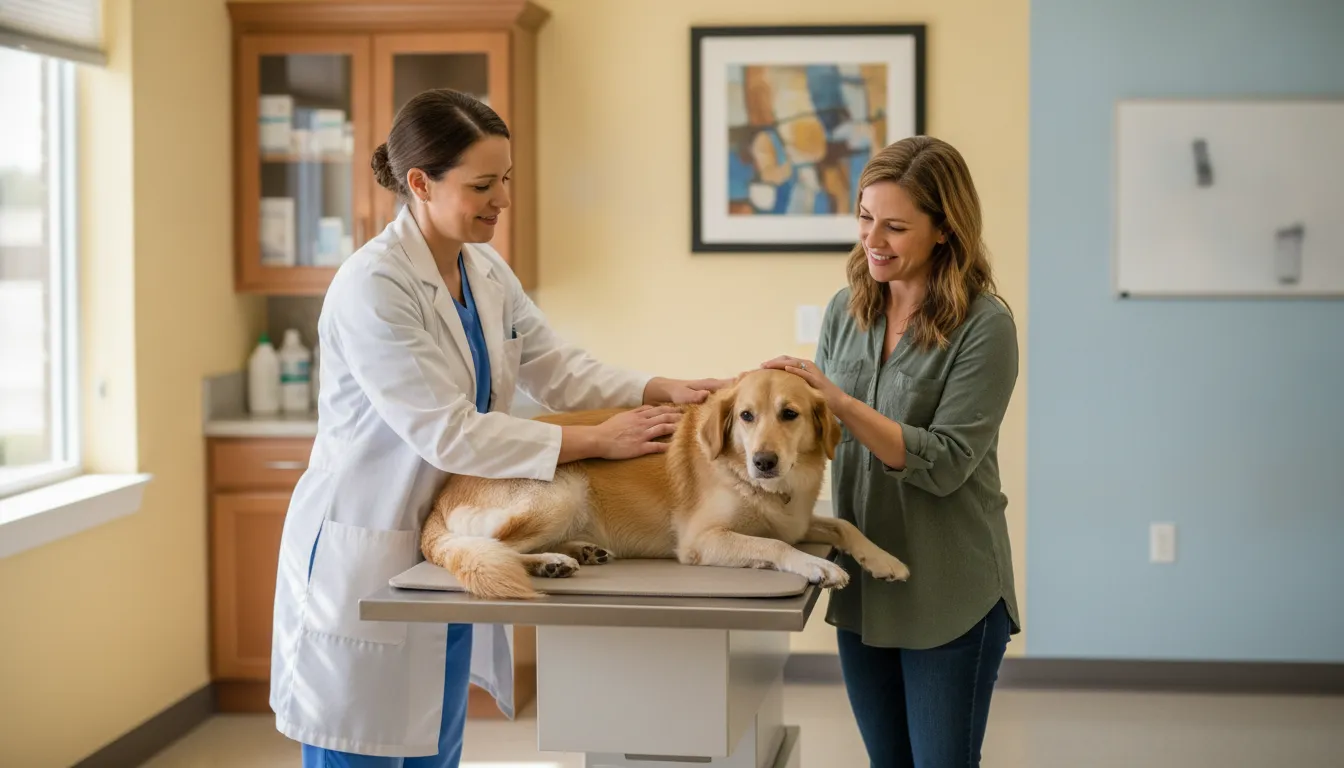
A healthy-looking dog can still benefit from regular preventive care. Wellness visits give you time to review everyday changes, keep vaccinations and parasite prevention current, and adjust care as your dog grows from puppy to adult to senior.
Planning a wellness visit? Book an appointment or call Rolling Meadows Animal Hospital at 847-873-8996 to get started.
A dog wellness exam rolling meadows visit is an individualized checkup that considers your dog’s age, breed, lifestyle, exposure risks, medical history, and current health. Your veterinarian may discuss nutrition, weight, vaccines, parasite prevention, behavior, and any changes you have noticed, then recommend next steps suited to your dog.
Routine care is not a universal checklist. A puppy with rapid physical and social development may need different guidance than a senior dog whose comfort, mobility, or quality of life deserves closer attention. Knowing what to expect can help you prepare useful questions and recognize when a routine visit should become a call to the veterinary team.
What Happens During a Dog Wellness Exam in Rolling Meadows?
A dog wellness exam in Rolling Meadows is more than a quick look at your pet’s weight. It is a conversation, a physical assessment, and an opportunity to shape preventive care around your dog’s age, lifestyle, medical history, and current health. The visit is designed to help your veterinary team understand what is normal for your dog and notice changes that may deserve closer attention.
Starting with history and your observations
The appointment typically begins with questions about your dog’s daily life. Your veterinarian may ask about appetite, thirst, digestion, bathroom habits, energy, sleep, exercise, behavior, and mobility. Be ready to discuss medications, supplements, previous illnesses, allergies, vaccination records, parasite prevention, diet, travel, boarding, daycare, and contact with other animals. Small details can be useful, especially if a change has developed gradually at home.
This is also the right time to bring up questions that do not seem urgent but still matter to you. You might ask about weight, nutrition, dental care, skin or ear concerns, training-related behavior, or an upcoming trip. Sharing observations openly helps the veterinary team decide which topics deserve attention during the visit.
A calm, nose-to-tail physical examination
After reviewing the history, the veterinarian generally performs a physical examination from nose to tail. This may include looking at the eyes and ears, checking the mouth and teeth, evaluating the skin and coat, listening to the heart and lungs, feeling the abdomen, assessing joints and movement, and checking weight and temperature. The exact focus can vary with your dog’s age, breed, health history, and comfort level.
Rolling Meadows Animal Hospital uses Fear-Free protocols as part of its compassionate care model, with patient comfort and safety in mind. Let the team know if your dog becomes nervous in clinical settings or has had difficult experiences during previous visits. A slower approach, gentle handling, and clear communication can help make the examination more comfortable.
Records, recommendations, and next steps
Wellness care is not a universal checklist. Your veterinarian may review vaccination needs, parasite prevention, nutrition, weight management, dental care, or screening options based on your dog’s individual risk factors. Vaccination and prevention recommendations can depend on age, lifestyle, exposure risk, health status, and veterinary guidance.
If the examination raises a question, the team can explain whether monitoring, additional testing, or a follow-up visit is appropriate. Because the hospital provides full-service veterinary care, a wellness finding can be evaluated within a broader medical, diagnostic, surgical, or orthopedic care setting when needed. The goal is a clear plan you understand, with room to adjust as your dog changes over time.
Why Routine Wellness Visits Matter Even When Your Dog Seems Healthy
Dogs are often skilled at carrying on with normal routines even when something has begun to change. A routine wellness visit gives your veterinarian a chance to compare your dog’s current health with a familiar baseline. While you can share observations that may be easy to overlook at home. The goal is not to assume that every quiet change signals illness. It is to create a thoughtful, ongoing plan for your dog’s needs.
A baseline makes gradual changes easier to recognize
During wellness care, the veterinary team gets to know your dog’s normal weight, body condition, mobility, behavior, and physical findings. That history can be useful later if your dog develops a subtle change in appetite, thirst, energy, breathing, elimination, or movement. A single visit cannot predict every future health concern. But regular visits give the team more context for deciding whether an observation should be monitored, discussed further, or evaluated promptly.
The American Veterinary Medical Association explains that regular wellness exams can help identify health problems earlier, when evaluation and treatment may be easier. Recommendations should still be individualized. Age, breed, lifestyle, overall health, and exposure risks all influence what belongs in a preventive plan. Learn more about the importance of wellness exams from the AVMA.
Prevention includes more than vaccines
A wellness conversation may cover nutrition, weight management, dental health, parasite prevention, vaccinations, and activity. Weight can change slowly, especially when treats, exercise, or appetite shifts are easy to miss. Dental concerns may also develop gradually, so discussing home care and what the veterinary team sees can help you make informed choices. Parasite and vaccination recommendations should reflect your dog’s lifestyle, travel, contact with other animals, local risks, and health status rather than a generic schedule.
Comfort, mobility, and behavior deserve attention
Changes in how a dog climbs stairs, rises, plays, sleeps, greets family members, or responds to handling can provide useful information. Dogs may simply be aging, or a change may warrant a closer conversation. Your veterinarian can help distinguish normal variation from a concern that deserves follow-up without relying on fear-based assumptions. Rolling Meadows Animal Hospital provides full-service preventive and medical care, with a compassionate approach that includes Fear-Free protocols. Learn more about the veterinary team and hospital before scheduling care for your dog in Rolling Meadows.
How Often Should Your Dog Have a Wellness Exam?
There is no single schedule that fits every dog. The right timing depends on life stage, breed and size, overall health, lifestyle, exposure risks, and any guidance from your veterinarian. A wellness plan should be adjusted as your dog grows, develops new routines, or experiences changes in health.
Does every dog need the same wellness exam schedule?
No. Puppies are growing and changing quickly, so they commonly need a series of veterinary visits during their early months. These appointments give the veterinary team opportunities to monitor development, discuss nutrition and behavior, review preventive care, and make recommendations appropriate for the puppy’s age and risk factors. The exact timing should come from your veterinarian, especially because breed and size can affect how a puppy moves through its life stages.
For adult dogs, routine wellness visits help keep preventive care current and give the veterinarian a consistent baseline for comparison. Even when a dog appears healthy at home, an exam may identify changes that are easy to overlook. The visit may include discussions about weight, nutrition, exercise, dental care, vaccines, parasite prevention, and lifestyle factors such as travel, boarding, daycare, training, or contact with other animals. The American Animal Hospital Association notes that wellness care should reflect a dog’s age, breed, overall health, and unique needs.
Senior dogs may benefit from more frequent monitoring, although the appropriate interval varies by the individual. Aging can involve changes in mobility, appetite, energy, behavior, or other aspects of daily life. Senior care is also broader than a basic checklist. It may include conversations about comfort, behavior, existing conditions, medications, and the home environment. AAHA describes senior care as a multifaceted process designed to support quality of life, not simply a label based on age.
Between scheduled visits, contact your veterinary team if you notice a persistent or concerning change in appetite, thirst, weight, mobility, breathing, elimination, behavior, or energy. These signs do not identify a specific condition on their own, but they are useful reasons to ask whether your dog should be seen sooner. To review the hospital’s preventive, medical, and diagnostic offerings, explore full-service veterinary care in Rolling Meadows.
Vaccinations and Parasite Prevention: Building a Plan for Your Dog
Vaccinations and parasite prevention are important parts of an individualized wellness plan, but the right approach is not identical for every dog. During a visit, your veterinarian can consider age, breed, medical history, lifestyle, travel plans, contact with other animals, and local exposure risks. This conversation helps connect preventive care with the way your dog actually lives.
Vaccines should reflect exposure and health history
Vaccines help the immune system recognize certain disease-causing agents and may prevent or lessen the severity of future disease. Some vaccines are generally recommended for dogs, while others may be more relevant when a dog spends time in boarding. Daycare, training, dog parks, or other settings where animals gather. Travel can also affect recommendations, especially when a dog may encounter different geographic risks.
Bring any available vaccination records to a dog wellness exam. If records are incomplete, let the veterinary team know rather than trying to reconstruct a schedule from memory. The team can review what is documented, discuss your dog’s current health, and explain which recommendations apply. You can learn more about vaccination services and veterinary services in Rolling Meadows as you plan ongoing care.
Parasite prevention is more than a seasonal checklist
Fleas, ticks, heartworms, and intestinal parasites can affect dogs in different ways, and exposure may occur even when a dog spends much of its time indoors. Dogs can encounter parasites through outdoor environments, contact with other animals, contaminated soil or water, or by licking contaminated fur or paws. Puppies are especially prone to some intestinal parasites, and certain parasites can affect people as well as pets.
A veterinarian can help you discuss prevention in the context of your dog’s age, environment, travel, household, and overall health. That may include reviewing prior parasite concerns, asking about outdoor activities, and determining whether testing or ongoing preventive care should be part of the plan. Do not start, stop, or combine products based only on a generic schedule. Product choice and timing should be discussed with a veterinary professional who knows your dog.
Keep the plan current as your dog’s life changes
Preventive recommendations may need to be revisited when a puppy matures, a family begins traveling, a dog starts daycare, or outdoor routines change. Bring medication and prevention records to follow-up visits, and mention changes in appetite, energy, stool, skin, or behavior. Washing hands after handling waste or supplies and cleaning up dog waste promptly also support a healthier home environment. Regular conversations help keep vaccines and parasite prevention aligned with your dog’s needs without relying on a one-size-fits-all schedule.
Not sure which preventive services fit your dog’s routine? Call Rolling Meadows Animal Hospital at 847-873-8996 to discuss your questions with the veterinary team.
What to Bring to a Dog Wellness Exam
A little preparation can help your veterinarian understand your dog’s health, habits, and needs. Use this checklist before your appointment, and bring whatever information may help the team build an individualized plan.
Gather health information
- Bring vaccination and medical records. If your dog is new to the hospital, include records from previous veterinarians, shelters, breeders, or rescue organizations when available. Information about prior illnesses, surgeries, allergies, and recent tests can help fill in the picture.
- List every medication and supplement. Write down prescription medicines, over-the-counter products, vitamins, supplements, and parasite preventives. Include the product name, strength, dose, and how often you give it. If practical, bring the containers or clear photos of their labels.
- Note recent changes. Before the visit, jot down changes in appetite, thirst, weight, energy, mobility, breathing, elimination, sleep, or behavior. A short timeline is often more useful than trying to remember everything in the exam room. Photos or videos can also help illustrate an intermittent concern.
Plan what to discuss
- Prepare your questions. Ask about nutrition, weight, exercise, dental care, vaccines, parasite prevention, travel, boarding, or any behavior change relevant to your dog. Recommendations may depend on age, lifestyle, exposure risk, and overall health, so details about daily life are worth sharing. The veterinary team can help you understand which priorities fit your dog.
Make the visit comfortable and safe
- Use secure transport. Keep your dog on a sturdy leash or in a secure carrier during travel and around unfamiliar animals. Bring a favorite small treat or comfort item if it helps your dog remain settled. Follow any fasting instructions the veterinary team has provided for a specific appointment.
- Call ahead if your dog is ill or especially anxious. If your dog develops concerning changes before the visit, contact the hospital rather than assuming a routine appointment is appropriate. Also mention fear, reactivity, or past difficult visits so the team can discuss supportive handling and help make the experience more comfortable.
These steps do not need to be perfect. Accurate observations and open communication give the veterinary team a stronger starting point for your dog’s care.
Signs Your Dog Needs More Than a Routine Checkup
Routine wellness visits are important, but you do not have to wait for the next scheduled appointment when something about your dog changes. Small differences can be useful information for the veterinary team, especially when they persist, worsen, or occur alongside other symptoms. A change does not automatically point to a serious problem, and general guidance cannot diagnose an individual dog. It does mean your dog may benefit from a conversation with a veterinarian sooner rather than later.
Changes in appetite, thirst, weight, or elimination
Contact the hospital if your dog stops eating, eats substantially more or less than usual, drinks noticeably more or less, or loses or gains weight without an intentional change in diet. Vomiting, diarrhea, constipation, straining to urinate, accidents in the house, or a clear change in the amount or frequency of urine or stool also deserve attention. When you call, be ready to describe when the change began, how often it has occurred, and whether your dog is still eating, drinking, and behaving normally.
Breathing, energy, mobility, and behavior changes
Call the veterinary team about a new cough, unusual breathing, reduced stamina, sudden weakness, collapse, persistent restlessness, or a marked drop in energy. Mobility changes can include limping, difficulty standing, reluctance to use stairs, trouble getting comfortable, or avoiding activities your dog usually enjoys. Behavior changes matter, too. Hiding, unusual irritability, confusion, vocalizing, or withdrawing from family members may be signs that your dog is uncomfortable or unwell, even when there is no obvious injury.
Visible abnormalities and concerns that feel urgent
Look for new lumps, swelling, wounds, skin changes, discharge, eye or ear abnormalities, a bloated appearance, or signs of pain when your dog is touched or moves. Do not attempt to diagnose the cause at home. If a concern appears severe, develops suddenly, or involves difficulty breathing, collapse, uncontrolled bleeding, or significant pain, contact Rolling Meadows Animal Hospital promptly for direction rather than waiting for a routine checkup. The hospital offers veterinary services in Rolling Meadows that can support evaluation beyond preventive care when a dog needs additional medical or diagnostic attention.
Supporting Your Dog Through Every Life Stage
A dog’s wellness priorities change as the body develops, reaches maturity, and begins to age. A puppy may need close attention to growth, nutrition, social development, vaccines, and parasite prevention. An adult dog may focus on maintaining a healthy weight, protecting against relevant exposures, and noticing subtle changes early. For a senior dog, the conversation often expands to comfort, mobility, behavior, and the possibility of multiple conditions occurring together. A wellness plan should be adapted to the individual dog rather than treated as a universal checklist.
Puppy wellness priorities
Puppies experience rapid physical and social development, so early visits provide opportunities to track growth, discuss nutrition, review records, and build a preventive plan. Vaccine and parasite recommendations depend on the puppy’s age, health, exposure risk, and veterinarian guidance. Puppies are also especially prone to roundworms, making appropriate parasite discussions and follow-up important. Your veterinarian can help connect preventive care with the puppy’s home environment, travel, contact with other animals, and developing habits.
Adult dogs still benefit from individualized monitoring
| Life stage | Common wellness priorities | What may shape the plan |
|---|---|---|
| Puppy. | Growth, nutrition, development, vaccines, parasite prevention, and healthy routines. | Age, breed or size, health history, household, and exposure to other animals. |
| Adult. | Weight, dental and general health, preventive protection, activity, and early changes. | Lifestyle, travel, exercise, environment, medical history, and exposure risk. |
| Senior. | Comfort, mobility, behavior, nutrition, quality of life, and monitoring for changing needs. | Age, breed or size, existing conditions, medications, and home environment. |
Adult dogs can appear well while developing changes that are difficult to notice at home. Regular wellness visits give the veterinary team a chance to discuss weight, nutrition, activity, medications, and lifestyle while comparing findings over time. Vaccinations and parasite prevention should reflect the dog’s current exposure and risk, not simply a schedule copied from another dog.
Senior care should focus on comfort and quality of life
Senior care is multifaceted. Along with medical monitoring, it may include behavioral support, awareness of conditions that occur together, and changes to the home environment. Tell the veterinary team about shifts in appetite, thirst, energy, elimination, behavior, breathing, or mobility. A dog with stiffness or changing movement may need an individualized evaluation, with orthopedic care for dogs considered when appropriate. If an examination raises a diagnostic question, veterinary ultrasound may be discussed when clinically relevant. These services are not routine requirements for every healthy dog, but they can support continuity of care when a concern needs further evaluation.
For a dog wellness exam in Rolling Meadows, bring updated records and observations from home. Sharing what has changed, even gradually, helps the veterinary team shape care around your dog’s life stage, health history, and daily life.
Ready to make preventive care part of your dog’s routine? Book an appointment or call 847-873-8996 before the FAQ below.
Frequently Asked Questions
How often should my dog have a wellness exam?
There is no single schedule that fits every dog. Your veterinarian can recommend visit timing based on age, breed, lifestyle, overall health, and individual needs. Puppies may need a series of visits while they grow, and senior dogs may benefit from more frequent monitoring. Ask your veterinary team what schedule best supports your dog’s current life stage.
What should I bring to my dog’s wellness appointment?
Bring your dog’s current medication and supplement list, vaccination records if available, and a few notes about changes you have noticed at home. Appetite, thirst, weight, energy, mobility, bathroom habits, and behavior can all help your veterinarian understand your dog’s health. It is also helpful to bring questions about nutrition, exercise, travel, boarding, or parasite prevention.
Are vaccines and parasite prevention the same for every dog?
No. Recommendations depend on your dog’s age, health status, lifestyle, travel, geographic exposure, and contact with other animals. A dog who visits daycare or boarding may have different vaccine needs than a dog who stays mostly at home. Discuss flea, tick, heartworm, and intestinal parasite prevention with your veterinarian instead of choosing a generic schedule.
When should I call the veterinarian between routine visits?
Contact your veterinary team when you notice a concerning change in appetite, thirst, energy, weight, mobility, breathing, elimination, or behavior. A new or worsening change does not necessarily indicate a specific disease, but it is worth discussing with a veterinarian. The team can help determine whether your dog needs a routine appointment, a sooner evaluation, or additional guidance.
Book Your Dog’s Wellness Appointment
Routine preventive care gives you a practical opportunity to review your dog’s health, lifestyle, vaccines, and parasite prevention with a veterinary team. A plan tailored to your dog’s age and needs can help you make informed choices as those needs change. To get started, call Rolling Meadows Animal Hospital at 847-873-8996 to book a dog wellness appointment or discuss your dog’s preventive care needs.