Finding a lump beneath your dog’s skin can be unsettling. If you are searching for dog lump under skin when to worry, the safest answer is that appearance alone cannot tell you what a lump is. Note what you have observed and contact a veterinarian for advice about whether your dog should be examined. This guide explains how to prepare for that conversation and what a veterinary assessment may involve.
Book Appointment or call 847-873-8996 to discuss your dog’s lump.
Why can’t you tell what a lump is by looking?
A bump beneath the skin is a physical finding, not a diagnosis. Lumps can differ in size, feel, location, and how long they have been present. Those details help a veterinarian understand your concern, but they do not reliably establish the cause on their own. A bump that seems small or unchanged to an owner may still need professional assessment; a noticeable bump is not automatically a serious condition either.
For that reason, avoid deciding that a lump is harmless or assuming it is cancer based on a photograph, a description, or touch. A veterinarian needs to consider the dog’s overall health and the lump itself. Additional evaluation may be discussed if it could help clarify what is going on. The appropriate next step depends on the individual pet and the clinical assessment.
It may help to think of your observations as useful context rather than a home diagnosis. You do not need to name or classify the lump. Instead, share what you noticed, where it is, and whether anything about it or your dog’s comfort has changed. A clear account gives the veterinary team a place to start without turning guesses into conclusions.
When should you contact a veterinarian?
If you have noticed a new lump, are unsure whether a previously noticed bump has changed, or simply feel concerned, contact a veterinary hospital and describe what you see. The team can help determine an appropriate next step based on your dog’s situation. There is no single observation that replaces that conversation, and this article cannot set a safe waiting period for an individual dog.
Contact the hospital promptly if the lump appears to be changing or if your dog seems uncomfortable or unwell. If your dog is experiencing a critical situation, seek urgent veterinary guidance rather than relying on an online article. Animal Hospital of Rolling Meadows provides emergency care in critical situations; call 847-873-8996 to discuss your concern. The hospital’s after-hours procedures are not specified here, so do not assume a particular response outside the available contact arrangements.
If you are uncertain whether the matter is urgent, explain what you have noticed and how your dog is acting. A phone conversation may help direct you to an appropriate next step, but it cannot diagnose a lump. If your dog’s condition worsens while you are arranging care, contact a veterinary provider for updated advice. When describing the concern, be direct: say that you found a lump, where it is, what has changed, and how your dog is behaving.
For example, an owner might report finding a bump on the dog’s side this week, without knowing when it first appeared, and noticing that the dog seems bothered when the area is touched. That description does not determine what the bump is, but it gives the hospital useful context. If instead you have no timeline and your dog seems comfortable, say that plainly; do not delay a call while trying to collect details you do not have.
What details should you note before the visit?
A few clear observations can make it easier to explain the concern. Do not delay contacting the hospital just to gather every detail, and do not repeatedly press or manipulate a lump. If your dog resists or seems uncomfortable, stop and leave the assessment to the veterinary team.
- Location: Note where the bump is on your dog’s body. If there is more than one, identify each location separately rather than treating them as one concern.
- When you noticed it: Write down the approximate date or circumstances. If you do not know when it first appeared, say so instead of guessing.
- Changes you have observed: Mention any difference you believe has occurred since you first noticed it. Avoid claiming an exact measurement if you have not measured it.
- Your dog’s response: Describe whether your dog appears bothered during normal movement or handling, or whether you have noticed a change in usual behavior.
- Other context: Share relevant health history, current medicines, and any other new concerns. The veterinarian can decide which details matter.
A simple note can be enough. For instance, record that you noticed the bump after brushing on Sunday, located on the left shoulder, and have not observed a change. This is more useful than trying to supply a medical label. If you have noticed multiple bumps, make a separate note for each location. Keeping the details distinct can prevent confusion during the conversation and makes it easier to answer follow-up questions.
A photograph may help you remember how the area looked at a particular time, but it cannot identify the cause. Take one only if you can do so without stressing your dog. Do not use a ruler, squeeze the bump, or attempt to open or treat it at home. If you already have notes or a photo, bring them; if not, a straightforward description is still useful. You do not need to create a record that is perfectly complete before contacting the hospital.
For general veterinary care information and guidance on working with a veterinarian, consult the American Veterinary Medical Association. For advice about your dog’s specific lump, contact a veterinarian directly.
What might a veterinarian check?
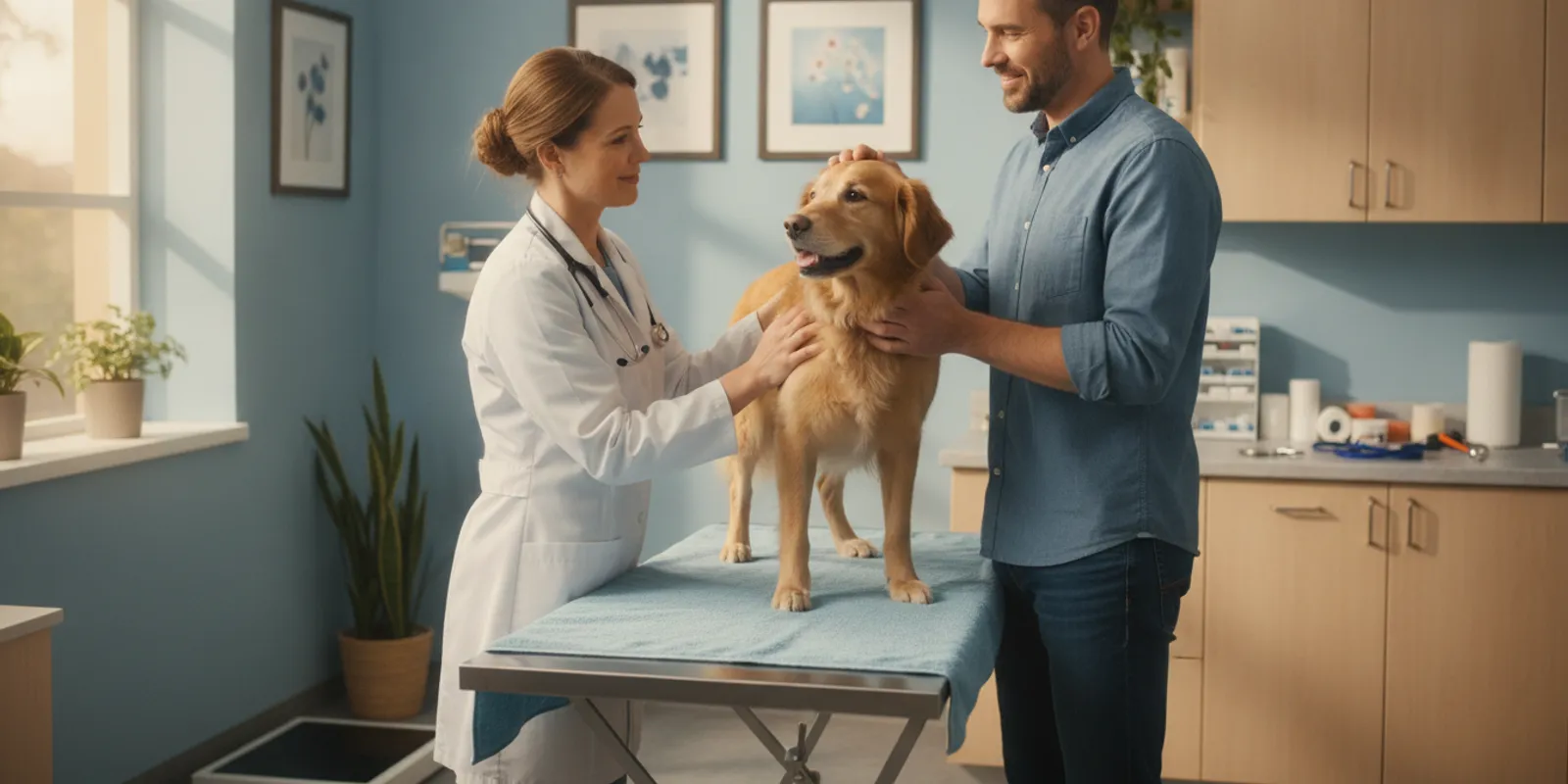
The first step is a conversation and an assessment tailored to your dog. The veterinarian may ask when you noticed the lump, whether it has changed, and whether your dog has other concerns. They can examine your dog and consider the bump in the context of the pet’s overall health. The exact process is not the same for every lump, and no test or outcome should be assumed before the veterinary team has assessed the case.
Depending on what is found, the veterinarian may discuss whether further evaluation is appropriate. Testing can sometimes help distinguish between possibilities that cannot be confirmed by appearance alone. Animal Hospital of Rolling Meadows offers diagnostic services, including laboratory testing and imaging, but this does not mean a particular test is used for every skin lump. Ask the veterinarian to explain the purpose, options, and next steps recommended for your dog.
The hospital lists ultrasound and ultrasound-guided biopsies among its capabilities. That does not mean every lump needs ultrasound or a biopsy; whether either is appropriate is a clinical decision based on the individual assessment. Learn more about the hospital’s ultrasound services and medicine and diagnostic care. A useful question is to ask what the test is intended to clarify and how the answer could affect the plan.
The hospital also provides soft-tissue surgical services, including mass and tumor removals. Availability of that service does not mean a lump should automatically be removed. A veterinarian can discuss whether monitoring, further assessment, treatment, or another plan makes sense after considering the specific findings. If a procedure is proposed, ask what it is intended to address and what preparation and follow-up may involve. You can read about surgical services without assuming surgery is the right choice for your pet.
In some situations, the purpose of an appointment may be to decide what information is still needed rather than to make an immediate treatment decision. You can ask what the veterinarian knows from the examination, what remains uncertain, and whether a follow-up conversation will be needed after any testing. Understanding the question behind a recommendation can make the plan easier to follow and help you know what to expect next.
How can you compare possible next steps?
The table is a conversation aid, not a substitute for veterinary recommendations. These are general categories, not a sequence every dog will follow. Your veterinarian can explain which option, if any, applies after assessing your pet.
| Possible step | What it may involve | What to ask |
|---|---|---|
| Discuss the concern | Share when you noticed the lump, its location, any observed changes, and how your dog is acting. | Based on these details, what next step do you recommend? |
| Veterinary assessment | The veterinarian considers the bump and your dog’s overall health. | What did you observe, and what remains uncertain? |
| Additional evaluation | The veterinary team may discuss testing if it could help answer a clinical question. | What would this test help determine? Are other options appropriate? |
| Treatment or follow-up plan | A plan may be discussed after the veterinarian considers examination findings and any test results. | What should I watch for, and when should I contact you again? |
One owner may arrive with a clear timeline and a photo, while another may only know that a lump was noticed recently. Both can start with a conversation. The first owner can explain when the photo was taken and what prompted it; the second can describe the location and current concerns without filling gaps with guesses. In either case, the veterinarian decides whether more information is needed.
If additional evaluation is offered, ask for the reasoning in plain language. You might ask what question the evaluation is meant to answer, whether it is recommended now or later, and how the result could change the plan. If you are considering more than one option, ask the veterinarian to compare the purpose and practical next steps rather than trying to choose based on the name of a test alone.
What should you avoid doing at home?
Do not squeeze, puncture, cut, or apply medication to a lump unless a veterinarian has specifically instructed you to do so. Home manipulation could cause discomfort or complicate assessment. Avoid using human medicines or leftover pet medicines for the lump; treatment choices depend on what is actually happening and on your dog’s health.
Do not rely on internet photographs or informal opinions to decide that a lump is benign or dangerous. Online information can offer general context, but it cannot examine your dog or determine what evaluation is appropriate. Likewise, do not postpone calling simply because the bump does not seem to bother your dog. A veterinarian can help you decide what matters in your pet’s case.
If you have already tried something, tell the veterinary team exactly what it was and when you used it. Clear information helps the team advise you. Be candid if you are unsure what changed or cannot estimate how long the lump has been present; an honest account is more useful than a guess. If your dog does not tolerate being handled, do not force an examination at home to obtain more detail.
How can you prepare for an appointment?
Before the visit, write down your main questions and the observations you have made. Bring a list of your dog’s current medicines and relevant health history if available. If you took a photo, note when it was taken; do not treat it as proof of what the lump is. You can review the hospital’s veterinary services and information about the practice before you arrive.
Useful questions include: What did you observe during the assessment? Is there anything about the lump that needs additional evaluation? What are the possible next steps and the reason for each? What changes should lead me to contact you again? If a test or procedure is discussed, ask what it is meant to clarify and how the team will share findings. These questions keep the conversation focused on your dog rather than on assumptions about what a lump might be.
If the plan includes follow-up, make sure you understand how to carry it out. Ask whom to contact if you notice a change, what information the team would like you to provide, and what to do if your dog seems unwell. If you leave with a recommendation you do not understand, ask for clarification before making decisions. The aim is a clear plan suited to your pet, not a one-size-fits-all checklist.
The hospital discusses costs during appointments based on individual patient needs and treatment plans; no lump-specific estimate can be stated in advance here. You can ask what is included in a proposed plan and which decisions depend on examination or test findings. Rolling Meadows Animal Hospital serves families in Rolling Meadows and surrounding communities, including Arlington Heights, Palatine, Schaumburg, Elk Grove, Mount Prospect, and Prospect Heights. For directions or to discuss an appointment, use the contact page. The practice is at 3995 W Algonquin Road, Rolling Meadows, IL 60008.
Animal Hospital of Rolling Meadows provides full-service veterinary care for local families. If you would like to learn more about the hospital before speaking with the team, its website provides a starting point. For this particular concern, a direct conversation with a veterinary professional is more useful than trying to identify a lump from a description or image.
Book Appointment or call 847-873-8996 to discuss an examination.
Frequently asked questions
Can I tell whether a dog’s lump is serious by touch?
No. Feel and appearance alone cannot establish what a lump is. A veterinarian can assess your dog and explain whether further evaluation is appropriate.
Does every lump need to be removed?
No. Removal is one of the surgical services the hospital offers, but that does not mean every lump requires surgery. The veterinarian can discuss options based on your dog’s individual findings.
Should I wait and see whether the lump changes?
This article cannot recommend a waiting period for an individual dog. Contact a veterinary hospital, describe what you have noticed, and ask what next step is appropriate. If your dog seems unwell or the situation is critical, seek urgent veterinary guidance.
Will my dog need imaging or a biopsy?
Not necessarily. The need for any test depends on the veterinary assessment and the clinical question being considered. Ask the veterinarian what a proposed test could clarify and whether other options are appropriate.
What if I cannot remember when I first noticed it?
Tell the veterinary team that you are unsure. Share what you do know, such as where the lump is and any changes you have observed. You do not need a perfect timeline to ask for advice.
A new lump can raise questions, but you do not have to identify it yourself. Share your observations with a veterinarian, and let an examination guide decisions about your dog’s care.