
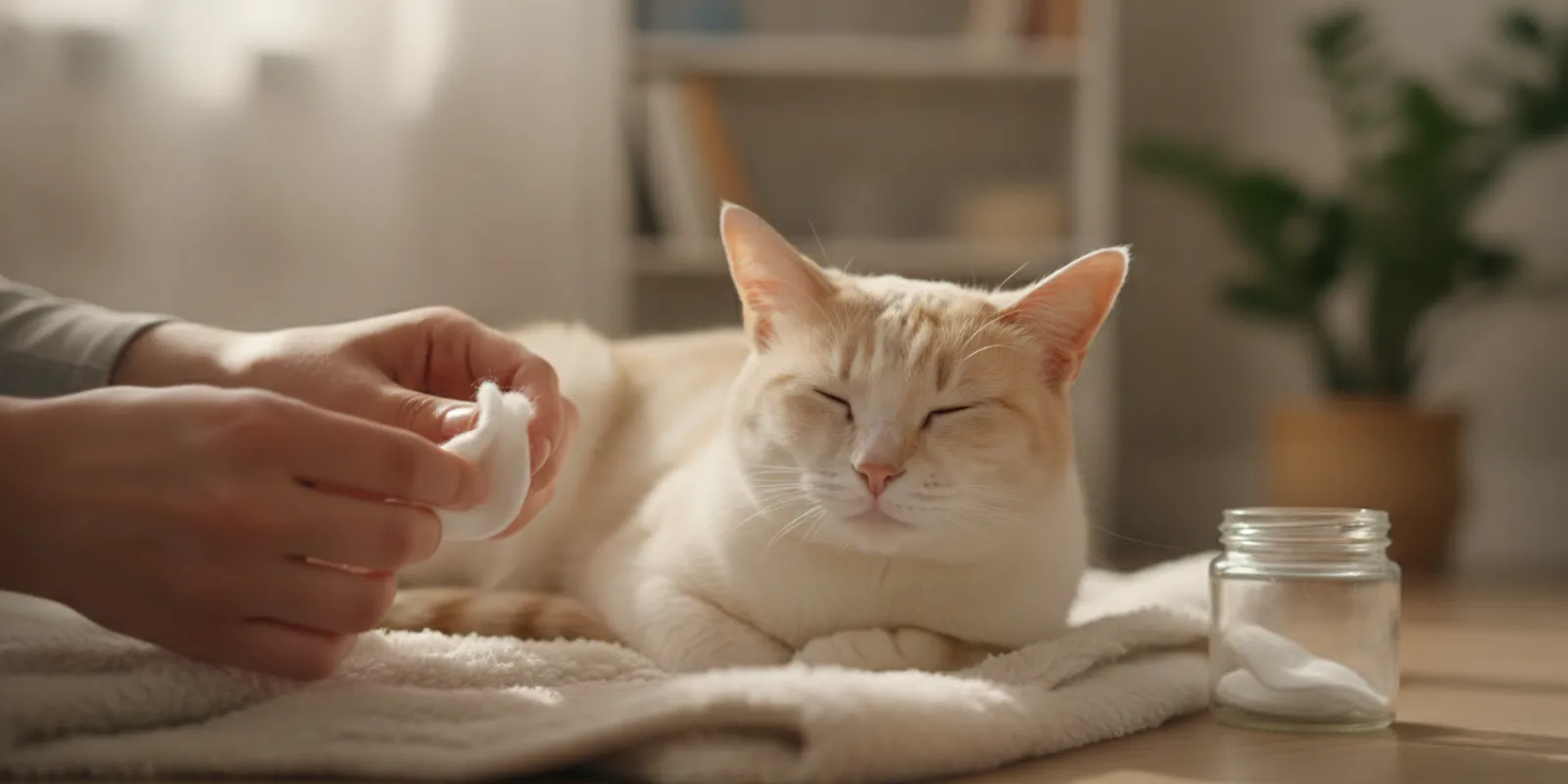
Learning how to clean a cats ears safely starts with one important point: most cats do not need routine ear cleaning unless there is visible debris or a veterinarian recommends it. A gentle look and careful handling are usually enough. If your cat has pain, odor, discharge, or persistent head shaking, arrange veterinary advice rather than trying to treat the problem at home.
When should you clean a cat’s ears?
Check your cat’s ears occasionally as part of normal grooming. A healthy outer ear is generally clean and does not have a strong smell. A small amount of light wax can be normal. Cleaning too often or reaching deep into the ear canal may irritate delicate tissue, so do not make cleaning a fixed weekly routine unless your veterinarian has advised it.
Consider a gentle surface clean only when you can see a little loose dirt or wax around the outer ear and your cat is comfortable with handling. If one ear looks different from the other, or the debris returns quickly, ask a veterinarian what may be causing it. Ear symptoms can have different causes, and cleaning alone may not address them.
It can help to think of an ear check as observation rather than a grooming chore. During a calm moment, compare both ears without pulling or probing. Note whether the skin looks comfortable, whether the amount of visible wax has changed, and whether your cat reacts when you approach. You are not expected to decide what a change means. The purpose is to notice a pattern and share it with a veterinary professional.
The American Veterinary Medical Association offers general pet-health information and supports the value of seeking veterinary guidance for health concerns. A general resource cannot determine whether your individual cat needs cleaning, so ask your veterinary team about a new or persistent ear change.
What supplies do you need?
Gather everything first so the process is brief. Use a veterinary ear-cleaning solution recommended for cats, if cleaning is appropriate, and soft cotton balls or gauze. Keep a towel nearby for stability and a small reward for afterward. If you are not sure which solution is suitable, contact your veterinary team before applying anything.
- Cat-appropriate ear cleaner recommended by a veterinarian.
- Soft cotton balls or gauze for the visible outer ear.
- A quiet room and a towel to help your cat feel secure.
- A treat or another calm reward if your cat accepts it.
Do not use household cleaners, alcohol, hydrogen peroxide, essential oils, or unprescribed drops. Avoid cotton swabs and pointed tools. These can irritate or injure the ear, and a swab can push debris farther inside. Never pour liquid into an ear if the ear is painful, swollen, bleeding, or producing discharge; seek veterinary guidance instead.
Before beginning, read the product label and check that it is the exact cleaner your veterinarian recommended. Keep the container within reach, but do not improvise with a substitute if you cannot find it. If the instructions are unclear, pause and ask the clinic. A product being sold for pets does not automatically mean it is suitable for every cat or every ear concern.
How do you clean a cat’s ears safely at home?
- Choose a calm moment. Let your cat settle in a familiar, quiet place. If your cat struggles, growls, hides, or seems distressed, stop and try another time or ask for help from a veterinary professional.
- Look before touching. Gently lift the ear flap and examine only what you can see. Note redness, swelling, unusual debris, odor, or discharge. Do not continue with home cleaning if you notice these signs.
- Follow the product directions. If your veterinarian has recommended an ear cleaner and the ear looks comfortable, use it exactly as directed. Do not substitute another product or use more than instructed.
- Wipe the visible area. Moisten a cotton ball or gauze as directed and gently wipe the inner surface of the ear flap and the visible folds. Do not insert anything into the canal.
- Keep the session short. Use a fresh cotton ball for the other ear if needed. Stop if your cat shows pain or becomes upset, and reward calm cooperation.
- Observe afterward. Watch for worsening redness, discomfort, head shaking, or other changes. Contact a veterinarian if symptoms appear or persist.
Some cats tolerate a brief wipe but dislike having their ears handled. You do not need to force the process. A calm, incomplete attempt is safer than restraining a distressed cat and risking injury to either of you. Your veterinarian can demonstrate a suitable method if cleaning is needed.
For a cat that accepts handling, make the process predictable. Let the cat see and sniff the supplies before you touch the ear. Use a steady, gentle hand and keep your voice calm. Avoid pinning the head or wrapping the towel tightly. If you need another person to hold your cat and the cat becomes frightened, stop; an at-home cleaning is not worth turning handling into a struggle.
Afterward, make a brief note of which ear you cleaned, what you saw, and whether your cat seemed comfortable. If you used a veterinarian-recommended cleaner, record its name and follow the clinician’s instructions about whether or when it should be used again. Do not repeat the cleaning simply because some moisture or loosened material remains; follow the product directions and veterinary advice.
What should you avoid doing?
Keep cleaning limited to the outer ear and visible folds. Do not push cotton swabs, fingers, or tools into the canal. Do not use a product meant for people or another animal unless your veterinarian specifically says it is appropriate for your cat. Do not attempt to remove a stuck object or scrape away material that is firmly attached.
Do not flush an ear just to make it look clean. A cat’s ear is delicate, and material that cannot be wiped away gently is a reason to ask for guidance, not to apply more force. If your cat jerks away, cries, or suddenly will not let you touch an ear that was previously comfortable, stop and treat that change as useful information to share with the veterinary team.
Also avoid treating recurring debris as a hygiene issue without asking why it returns. Persistent buildup, itching, or irritation can need an examination. Do not rely on general web advice to choose a cleaner or medication: the right choice depends on what is happening in the ear, and your veterinary team can offer guidance for your cat.
When should you call a veterinarian?
Contact a veterinary team if you notice a strong odor, dark or unusual discharge, blood, swelling, marked redness, repeated scratching, frequent head shaking, or sensitivity when the ear is touched. A head tilt, balance trouble, or sudden severe discomfort also needs prompt veterinary attention. Do not clean the ear first if doing so would delay getting help.
These signs do not identify a cause by themselves. A veterinarian can examine the ear and decide whether testing or treatment is needed. Avoid using leftover medication or drops from a prior episode; the right approach depends on the current examination. If a symptom is changing quickly or your cat seems significantly unwell, describe that urgency when you contact the hospital.
It may be useful to note when the signs began, whether one or both ears are affected, and whether your cat has been scratching or shaking its head. If there is visible material, a photo taken without delaying care may help you explain what you noticed. Do not try to collect a sample or clean away the evidence unless a veterinarian asks you to do so.
For a cat with ear discomfort in Rolling Meadows or nearby northwest Chicago suburbs, Animal Hospital of Rolling Meadows provides veterinary care. You can learn more about the hospital’s services, meet the veterinary team, or review its approach to care.
How urgent is it? A quick comparison
| What you notice | Reasonable next step | What to avoid |
|---|---|---|
| A little loose debris on a comfortable outer ear | Ask your veterinarian whether a cat-safe cleaner is appropriate; wipe only visible folds if advised. | Routine deep cleaning or cotton swabs. |
| Recurring buildup, itching, or odor | Contact a veterinary team to discuss an examination. | Repeated cleaning or trying unprescribed drops. |
| Blood, swelling, discharge, strong pain, head tilt, or balance changes | Seek prompt veterinary guidance; do not delay to clean. | Putting liquid or tools into the ear. |
When you call, describe what you see rather than trying to label it. “Dark material in one ear for several days” or “head shaking began this morning” gives a clearer starting point than guessing at a cause. Mention any products already used, and tell the team if your cat is painful or difficult to handle. This helps them advise on the next step without you having to continue cleaning.
For an appointment, use the hospital’s contact page. You can also review urgent care information, learn about the hospital’s veterinary services, or read about its family-oriented approach. The practice serves pet families with a compassionate, neighborhood approach and clinical care for a range of needs.
Before you call, make a short checklist rather than trying to remember every detail in the moment. Write down when you first noticed the change, whether it is getting better or worse, and which ear seems affected. Note any new grooming products or ear products that may have been used, along with the amount and timing. If your cat has had a similar issue before, mention that history, but do not assume the current concern has the same cause. These details help the veterinary team understand the situation and advise you on an appropriate next step.
If your cat is comfortable and the visible outer ear simply has a small amount of loose material, pause before cleaning and consider whether a wipe is needed at all. Keep the ear dry and avoid repeated handling just to check whether it looks different. If you choose to wipe the visible folds with veterinary direction, use a clean piece of gauze for each ear and stop when your cat signals discomfort. A clean appearance is not a reason to reach deeper into the canal.
It is also reasonable to ask the clinic what to expect during an examination. The team may need to look into the ear and discuss the timing and pattern of signs. Tell them if your cat is difficult to handle or has reacted painfully at home. Do not use medication or attempt to clean away material before the visit unless the veterinary team specifically recommends it. The goal is to make the next step clear while keeping your cat as comfortable as possible.
Learn more about the hospital’s veterinary services or visit the appointment information page when you are ready to arrange care.
Frequently Asked Questions
How often should I clean my cat’s ears?
There is no single schedule that applies to every cat. Many cats do not need regular cleaning. Follow your veterinarian’s guidance and avoid cleaning simply because a routine calendar says it is time.
Can I use a cotton swab on the outer ear?
It is safer to use soft cotton or gauze on the visible outer ear only. Do not insert a cotton swab into the canal, where it may cause irritation or injury or push debris inward.
What if my cat will not stay still?
Stop rather than forcing restraint. Try again only when your cat is calm, or ask your veterinary team to demonstrate a safe approach. If the ear appears painful or abnormal, arrange an examination instead.
Does dark debris always mean an infection?
No. Appearance alone cannot determine the cause. If debris is persistent or comes with odor, itching, redness, or discomfort, contact a veterinarian for an assessment.
Should I clean the ear before a veterinary appointment?
Not if the ear is painful, swollen, bleeding, or producing discharge, or if cleaning would delay care. Otherwise, ask the veterinary team what they prefer; avoid putting anything in the canal or using medication without direction.
Gentle observation is often the best first step. When you are unsure whether cleaning is appropriate, contact a veterinary professional and let your cat’s comfort guide your next move.