Is anesthesia safe for dogs? For most dogs, anesthesia can be performed safely when a veterinary team evaluates the individual patient, plans the procedure, and monitors the pet throughout recovery, but no anesthetic is entirely without risk. General anesthesia is used when a pet needs to be unconscious and still for surgery or another procedure; the veterinarian weighs the expected benefit against the dog’s health and the procedure involved.
It is understandable to feel uneasy when a beloved pet needs anesthesia. Knowing what the team considers before, during, and after a procedure can make the plan easier to discuss. This guide explains the basics for local dog and cat owners. It is general information, not an assessment of an individual pet. Your veterinarian can explain the risks and recommendations for your animal.
What is general anesthesia and when is it used in veterinary medicine?
General anesthesia is a medically controlled state of unconsciousness that allows a pet to undergo a procedure without awareness or movement. The veterinary team uses anesthetic medications and supportive care to maintain this state, then adjusts or stops the medications so the animal can recover. Anesthesia is different from sedation: a sedated pet may be drowsy or relaxed but is not necessarily fully unconscious.
Veterinarians may recommend general anesthesia for surgery, some dental procedures, or diagnostic procedures that require a patient to remain completely still. Orthopedic operations, such as repair of certain bone or joint problems, are examples of procedures that commonly require anesthesia. The exact plan depends on the procedure and the pet, not just the name of the operation. Learn more about the range of orthopedic care and surgical services available at Animal Hospital of Rolling Meadows.
Anesthesia serves a purpose beyond keeping a pet still. A controlled anesthetic state allows the veterinary team to perform a necessary procedure while supporting comfort and managing pain. The veterinarian will discuss the intended benefit, alternatives where appropriate, and potential risks. If you are weighing a recommended procedure, ask what could happen if it is delayed as well as what the anesthetic plan involves.
It can help to separate three questions: why the procedure is being recommended, why anesthesia is needed to perform it, and how the team will reduce and respond to risk. For instance, a dog who needs an orthopedic operation may require immobility and pain control that cannot be achieved by simply keeping the pet calm. The veterinarian can explain how anesthesia fits into that particular procedure and whether another approach is suitable. This is a practical discussion about the needs of the patient, not a guarantee that every anesthetic will be uncomplicated.
Owners sometimes hear the terms sedation, local anesthesia, and general anesthesia used together. They describe different ways of managing awareness, sensation, or movement, and may be combined as part of a broader plan. Do not assume a less intensive-sounding option is automatically appropriate: the procedure’s requirements and your pet’s condition matter. Ask the veterinarian to describe in plain language what your pet will experience and what the team will do to support comfort.
How do vets assess anesthesia risk before surgery?
There is no single answer that fits every dog. A pre-anesthetic evaluation helps the veterinarian identify health concerns that could affect medication choices, monitoring, or timing. It also provides a chance to confirm what procedure is planned and address questions before the day of treatment.
Depending on the pet and procedure, the assessment may include:
- Medical history: The team asks about current and past illnesses, previous anesthesia, medication and supplement use, allergies or drug reactions, and any recent changes in appetite, energy, breathing, or behavior.
- Physical examination: A veterinarian checks the patient and considers findings such as heart and lung sounds, hydration, body condition, and other signs relevant to the planned care.
- Diagnostic tests, when appropriate: Bloodwork or other tests may help assess organ function or investigate a known concern. Which tests are useful depends on the animal’s history, examination, age, and procedure. Testing can inform a plan, but it cannot predict every possible complication.
- Procedure and medication review: The veterinarian considers the length and nature of the procedure, the expected pain control needs, and the patient’s individual characteristics when selecting an approach.
- Planning for recovery: The team considers what observation and support may be needed as the pet wakes up and what instructions the family will need at home.
Be specific when sharing information. Tell the veterinarian about all medicines, preventives, supplements, and special diets, and mention any prior anesthetic problem, even if it happened years ago or at another hospital. Follow the hospital’s instructions about food, water, and medications before the procedure. Do not change a regular medication or fast a pet beyond the instructions provided; if a direction is unclear, call the veterinary team before the appointment.
A useful way to prepare is to make a short list rather than rely on memory during a busy appointment. Include the name and dose of each medication, when it is usually given, and the reason your pet takes it. Add supplements, over-the-counter products, and any medication prescribed by another clinic. If a package or a photo of its label is available, bring that information. The team can tell you which items matter for the procedure and whether any instructions differ from your usual routine.
A history of illness does not automatically mean anesthesia cannot be considered. It may mean the veterinarian needs more information, needs to adjust the plan, or recommends postponing a non-urgent procedure while a concern is evaluated. For some urgent conditions, the team may need to balance the risks of proceeding against the risks of waiting. Ask the veterinarian to explain that balance in terms of your pet’s situation.
- Health and medication history
- Understand: Known conditions, prior reactions, and medicines that may affect planning
- Information to share: Medication names and doses, supplements, previous anesthesia experiences
- Physical examination
- Understand: The pet’s current condition and findings that may need follow-up
- Information to share: Recent changes in breathing, energy, appetite, or mobility
- Tests when recommended
- Understand: Additional information relevant to the individual patient
- Information to share: Ask what a proposed test is intended to assess and how its result may change the plan
- Procedure review
- Understand: The needs and expected demands of the planned treatment
- Information to share: Ask what will be done, why it is recommended, and what alternatives may apply
What should you ask before the procedure?
A short written list can make a pre-procedure conversation easier, especially when you are worried or managing several details at once. You do not need to know technical anesthetic terms. Focus on what the plan means for your pet and what you will need to do.
- What is the goal of the procedure, and why is it recommended now?
- What are the expected benefits, the main risks, and any reasonable alternatives?
- What evaluation or tests do you recommend for my pet, and what would the results change?
- Which of my pet’s medications should I give before the visit, and what are the food and water instructions?
- How will my pet be monitored, and what support or observation is expected during recovery?
- What should I expect at home, and whom should I contact if I have a concern?
If your pet has had anesthesia before, describe how recovery went, including any nausea, unusual behavior, or difficulty waking. If you do not know the names of past medications or cannot remember every detail, say so; share whatever information you have rather than guessing. Bring an up-to-date medication list and make sure the team knows about supplements and medications prescribed by another veterinarian. If a new cough, vomiting, diarrhea, appetite change, or other illness appears before a planned procedure, tell the hospital before you arrive. The veterinary team can advise whether the plan should change.
It is also reasonable to ask for the discharge plan before the procedure day. Knowing how you will get home, where your pet can rest, and how to reach veterinary help can reduce last-minute uncertainty. If instructions conflict with something your pet’s regular veterinarian has said, clarify the directions with the team responsible for the procedure instead of choosing between them on your own.
For example, if the appointment instructions say to withhold food but your pet takes a daily medication with a meal, do not guess whether to skip or give it. Call and explain the medication schedule so the veterinary team can give directions specific to that medicine and procedure. Likewise, if you accidentally give food or a dose contrary to the instructions, tell the team honestly. That information helps them make a safe decision about whether to proceed or adjust the timing.
This table describes common parts of a discussion, not a checklist that every pet must receive. The appropriate evaluation is individualized. The American Veterinary Medical Association’s overview of pet anesthesia explains that anesthesia risks relate to both the animal and the procedure, and encourages owners to discuss concerns with their veterinarian.
What monitoring happens while a pet is under anesthesia?
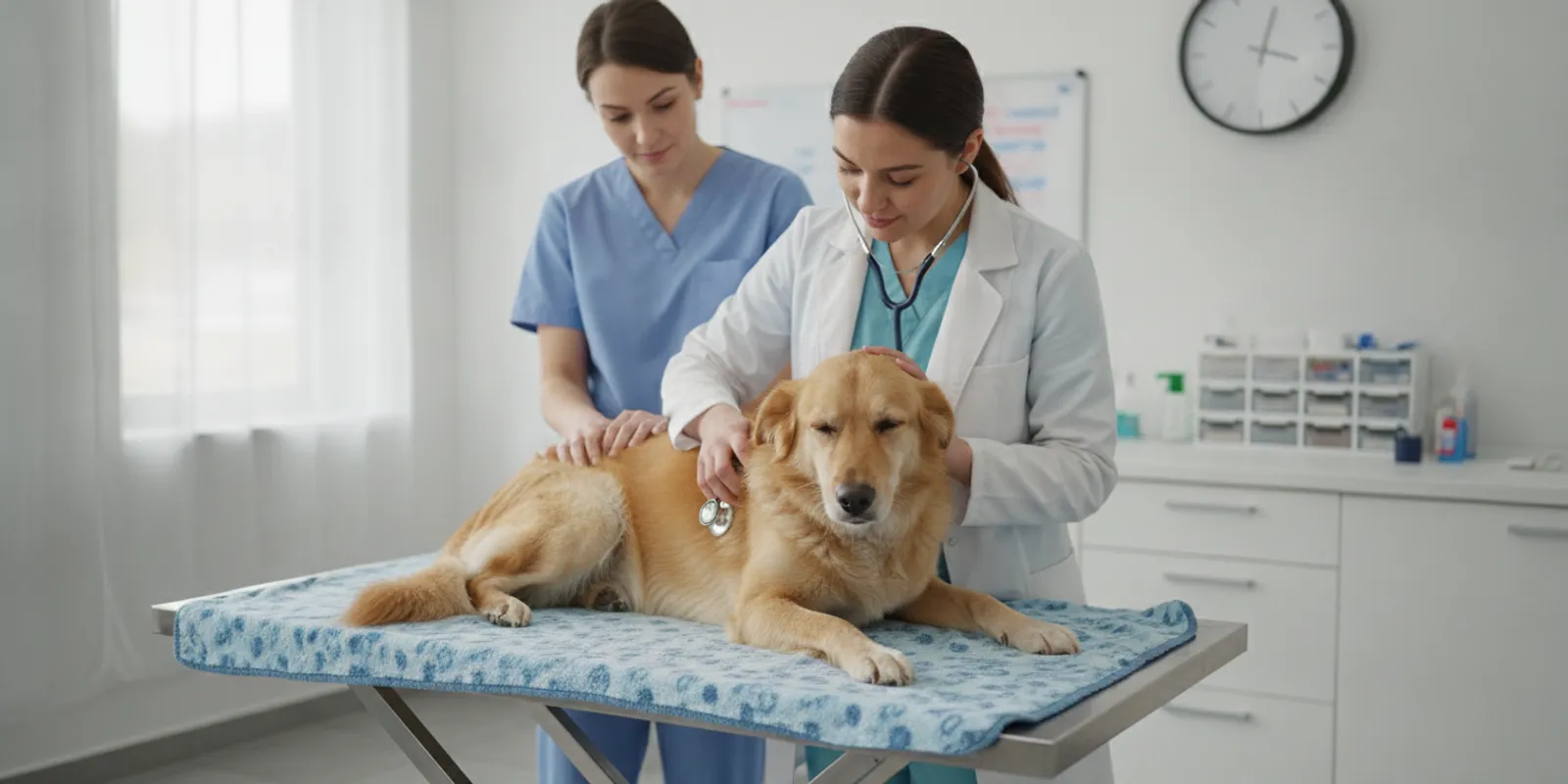
Monitoring helps the veterinary team observe how a pet is responding and identify changes that may call for attention. The monitoring plan is selected by the veterinary professionals caring for the patient and may vary with the animal, the procedure, and the hospital. Ask your veterinarian what monitoring is planned for your pet rather than assuming every case follows an identical protocol.
During an anesthetic, trained team members may observe and track measures such as:
- Breathing and oxygenation: The team watches the pet’s breathing and may use equipment to assess oxygen levels or ventilation.
- Heart rate and circulation: Heart rate, pulse quality, and other indicators can help the team follow circulation during the procedure.
- Blood pressure: Measuring blood pressure can provide information about circulation and how the patient is responding.
- Body temperature: A pet’s temperature may be followed, with supportive measures used when needed.
- Anesthetic depth and overall response: The team observes the patient and monitors the anesthetic state so that care can be adjusted as appropriate.
Equipment provides useful information, but it does not replace observation and clinical judgment. Monitoring is one part of a coordinated process that also includes patient assessment, anesthetic planning, and care while the pet wakes. The AAHA anesthesia and monitoring guidelines provide a professional framework for veterinary teams caring for dogs and cats. They are written for veterinary professionals, but they can help owners understand why careful assessment and monitoring are discussed together.
Ask who will be responsible for observing your pet, what types of monitoring are planned, and how the team responds if a reading or the pet’s condition changes. These are reasonable questions, not a sign that you distrust the veterinary team. A clear explanation should help you understand the process and your pet’s care plan.
It may also help to ask what happens at the transition from the procedure to recovery. Waking up is part of the anesthetic period, rather than an afterthought. The team can explain how your pet will be observed as medications wear off, what signs they look for before discharge, and whether your pet’s procedure or health history calls for additional observation. The answer will depend on the individual case, so avoid comparing your pet’s plan with a friend’s animal as if the two were identical.
Monitoring does not mean that every possible change can be predicted or prevented. Its value is that the team can follow the patient’s response and use professional judgment as care progresses. If you want more detail, ask the veterinarian to walk you through the monitoring in terms you understand: what is being watched, why it matters for your pet, and what kinds of changes could alter the plan.
Are certain breeds or ages at higher risk?
Age alone does not tell the whole story. A senior dog may have a health condition that affects anesthetic planning, but age by itself does not automatically rule out anesthesia. A young animal can also have an individual health issue or a procedure-related consideration. The veterinarian evaluates the patient as a whole, using the examination, history, and any recommended tests.
Some physical traits or breed-associated health concerns may influence how a veterinarian plans anesthesia. For example, a short-muzzled (brachycephalic) dog may have airway-related considerations that warrant discussion. Body condition, heart or lung disease, kidney or liver concerns, and other existing conditions may also matter. These factors do not mean a complication will happen; they are reasons for an individualized plan and appropriate precautions.
Rather than relying on a general breed list or age cutoff, ask the veterinarian how your pet’s particular health and anatomy affect the procedure. Questions that may help include:
- Does my dog’s medical history or breed affect the anesthetic plan?
- Would any examination or test provide useful information before the procedure?
- Should any current medication be given or held on the day of treatment?
- What changes would make you recommend postponing a non-urgent procedure?
- What are the main risks of anesthesia and of delaying this procedure for my pet?
For cats, the same principle applies: age, health, and the procedure all matter. Do not assume that an indoor lifestyle, small size, or a calm temperament eliminates risk. Share the complete history and let the veterinarian interpret it alongside the physical examination.
Consider two hypothetical examples. An older dog who remains active but has a newly reported cough may need the veterinarian to evaluate that change before a non-urgent procedure. A younger dog with a previous medication reaction also needs that history considered even if the pet seems healthy today. These examples do not determine what either animal should do; they show why the individual details matter more than a simple age label or breed rule.
The decision is also not simply “anesthesia or no anesthesia.” The veterinarian may recommend proceeding with a plan, gathering more information first, adjusting timing, or considering another approach if one is appropriate. When a procedure is time-sensitive, the risks of delay may be part of the discussion. Ask for the reasoning and the next step so you understand what is known, what remains uncertain, and when the plan will be revisited.
What should you watch for when your pet comes home after anesthesia?
Many pets are sleepy or quieter than usual for a period after anesthesia. The veterinary team should tell you what to expect for your pet, how to provide a comfortable place to rest, and when to offer food, water, and prescribed medication. Follow those instructions closely, since recommendations can vary with the procedure and the individual patient.
At home, plan to:
- Keep your pet in a calm, supervised space where they can rest safely and are less likely to fall from furniture or stairs while drowsy.
- Follow the hospital’s directions about food, water, activity, and medication. Do not give human pain relievers or extra doses unless a veterinarian specifically directs you to.
- Observe your pet as they become more alert. Note whether their breathing, responsiveness, and comfort seem to be improving as expected under the instructions you received.
- Use the discharge contact information if you are unsure whether a behavior is expected or if your pet’s condition concerns you.
Before you leave the hospital, make sure you know which medications to give and when, how to handle a missed or vomited dose, and what activity limits apply. Ask for written instructions if possible, or repeat the plan back in your own words to check that you understood it. If more than one person will care for your pet, share the same directions with everyone so food, medication, and activity routines do not conflict.
Contact a veterinarian promptly if your pet has difficulty breathing, collapses, cannot be roused, has repeated vomiting, or seems to be getting worse rather than gradually recovering. If you are worried about an urgent change, do not wait for an online answer. Contact the hospital or an emergency veterinary provider for guidance.
Recovery instructions may also include activity restrictions, especially after orthopedic or other surgery. The anesthetic recovery period and the healing period are not the same thing: a pet may seem more awake before the operated area is ready for normal activity. Use the procedure-specific plan, and ask when to arrange a recheck or what signs at the incision or treatment site should prompt a call. Explore the hospital’s veterinary medicine services or full range of care for more information about discussing your pet’s needs.
It can be useful to prepare the home before the procedure rather than after you bring your pet back. Choose a quiet resting area, move obstacles that could cause a stumble, and make sure you can supervise your pet. For a dog who normally jumps onto a bed or uses stairs, ask the team whether you should prevent that activity during the initial recovery or follow another restriction. For a cat, consider whether the usual resting spot is high or difficult to reach while the cat is drowsy. The right setup depends on the pet and the procedure.
Keep the discharge information nearby and use it rather than relying on memory if a question comes up later. A brief note of when your pet ate, took medication, rested, or became more alert can help you describe the recovery to the veterinary team if you need to call. Do not wait to collect notes if your pet appears to have an urgent problem; contact veterinary care promptly.
Animal Hospital of Rolling Meadows serves families in Rolling Meadows and nearby northwest Chicago suburbs with general veterinary care and advanced surgical and orthopedic capabilities. If your pet is being considered for a procedure, the care team can discuss the evaluation, the plan, and the instructions that apply to your animal. You can also learn about the hospital’s team and approach to care.
Frequently Asked Questions
Is anesthesia safe for dogs?
Anesthesia can be performed safely for many dogs, but no procedure is risk-free. A veterinarian considers the dog’s health, the procedure, and the anesthetic plan, and uses monitoring and supportive care appropriate to the case. Ask for an explanation of the risks specific to your dog.
Is general anesthesia different from sedation?
Yes. Sedation usually makes a pet relaxed or drowsy, while general anesthesia produces a controlled state of unconsciousness. The appropriate option depends on what the procedure requires and the patient’s needs.
Should my dog have bloodwork before anesthesia?
Bloodwork may be recommended to provide information relevant to an individual pet, but the need and type of testing depend on the history, examination, and procedure. Ask what a test is intended to assess and whether its results could change the plan.
How long will my dog be sleepy after anesthesia?
Recovery time varies with the pet, medications, and procedure. Follow the discharge instructions from your veterinary team, and call if your dog is not progressing as expected or you see a concerning change.
Can older dogs undergo anesthesia?
Some older dogs can undergo anesthesia when a veterinarian determines that the expected benefits justify the risks and plans care for the individual patient. Age is one consideration, not a complete assessment of health or anesthetic suitability.
If your dog or cat may need anesthesia, an individualized conversation is the best way to understand the options. Share your questions and your pet’s complete health history so the veterinary team can explain a plan tailored to your animal.