Veterinary Ultrasound for Dogs and Cats in Rolling Meadows
Veterinary Ultrasound Services at Animal Hospital of Rolling Meadows
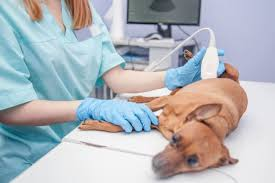
Animal Hospital of Rolling Meadows provides veterinary ultrasound for dogs and cats in Rolling Meadows. Your veterinarian may recommend diagnostic imaging to investigate symptoms, evaluate internal organs, assess the heart, or guide a procedure. Because every pet is different, your veterinarian will explain whether ultrasound is appropriate and what to expect.
What Can Veterinary Ultrasound Help Evaluate?
How Ultrasound Supports Diagnostic Care
Ultrasound uses sound waves to create real-time images of soft tissues and organs without ionizing radiation. Depending on your pet's symptoms, examination findings, and medical history, your veterinarian may recommend ultrasound as one part of a broader diagnostic plan.
Ultrasound and Other Diagnostic Tests
Ultrasound may be one part of a diagnostic plan, alongside an examination, bloodwork, or radiographs. For a plain-language overview of what the scan may show, read our pet-owner guide to veterinary ultrasound.

Ultrasound Services for Dogs and Cats
Diagnostic Ultrasound in Rolling Meadows
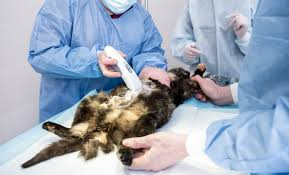
At Rolling Meadows Animal Hospital, ultrasound may be used alongside digital radiology and internal medicine care when your veterinarian needs more information about your pet's health. The right imaging approach depends on your pet's symptoms, examination findings, and medical history.
Abdominal Ultrasound
An abdominal ultrasound may help your veterinarian evaluate the liver, kidneys, spleen, gastrointestinal tract, bladder, and reproductive organs when symptoms, examination findings, or bloodwork call for more information.
Echocardiogram
A cardiac ultrasound can help evaluate heart chamber size, wall thickness, valve function, and blood-flow patterns when a heart murmur or another cardiac concern needs further assessment.
Ultrasound-Guided Procedures
When clinically appropriate, ultrasound may help a veterinarian guide selected procedures, such as sampling fluid or tissue. Your veterinarian will explain the purpose, benefits, and risks of any recommended procedure. Learn more about our surgery services.
Pregnancy and Reproductive Scans
Ultrasound may be used to assess pregnancy or reproductive structures when your veterinarian determines it is appropriate. The veterinary team can explain what the scan can and cannot show for your pet.
Specialist Collaboration
For complex cases, your veterinarian may consult a board-certified veterinary radiologist or another specialist when appropriate. The care team will explain how outside interpretation fits into your pet's diagnostic plan.
Common Questions Pet Owners Ask About Ultrasound
Why might my veterinarian recommend an ultrasound?
A veterinarian may recommend ultrasound when a physical examination, symptoms, or laboratory results suggest that more information about soft tissues or internal organs could help guide care. Common reasons may include persistent vomiting, weight loss, abnormal bloodwork, a heart murmur, or concern after an injury. Ultrasound is not appropriate for every pet, so your veterinarian will recommend the imaging that fits your pet's needs.
Does a pet ultrasound use radiation?
Ultrasound uses sound waves rather than ionizing radiation to create images. It can be a useful non-invasive diagnostic tool, but your veterinarian will decide whether it is the right test for your pet.
How should I prepare my pet for an ultrasound?
Preparation varies by the type of scan. Your veterinary team will explain whether your pet should fast or have a full bladder, and will answer questions about positioning, comfort, or any other instructions before the appointment.
How are ultrasound results explained?
Your veterinarian will review the images and explain what they show, what additional testing may be needed, and the next recommended step. Timing can vary by case and whether specialist interpretation is needed.
How do I ask about an ultrasound or urgent concern?
Call Rolling Meadows Animal Hospital at 847-873-8996 or use the Book Appointment page to ask about your pet's diagnostic needs. If your pet has an urgent concern, call the hospital for guidance rather than waiting for an online response.