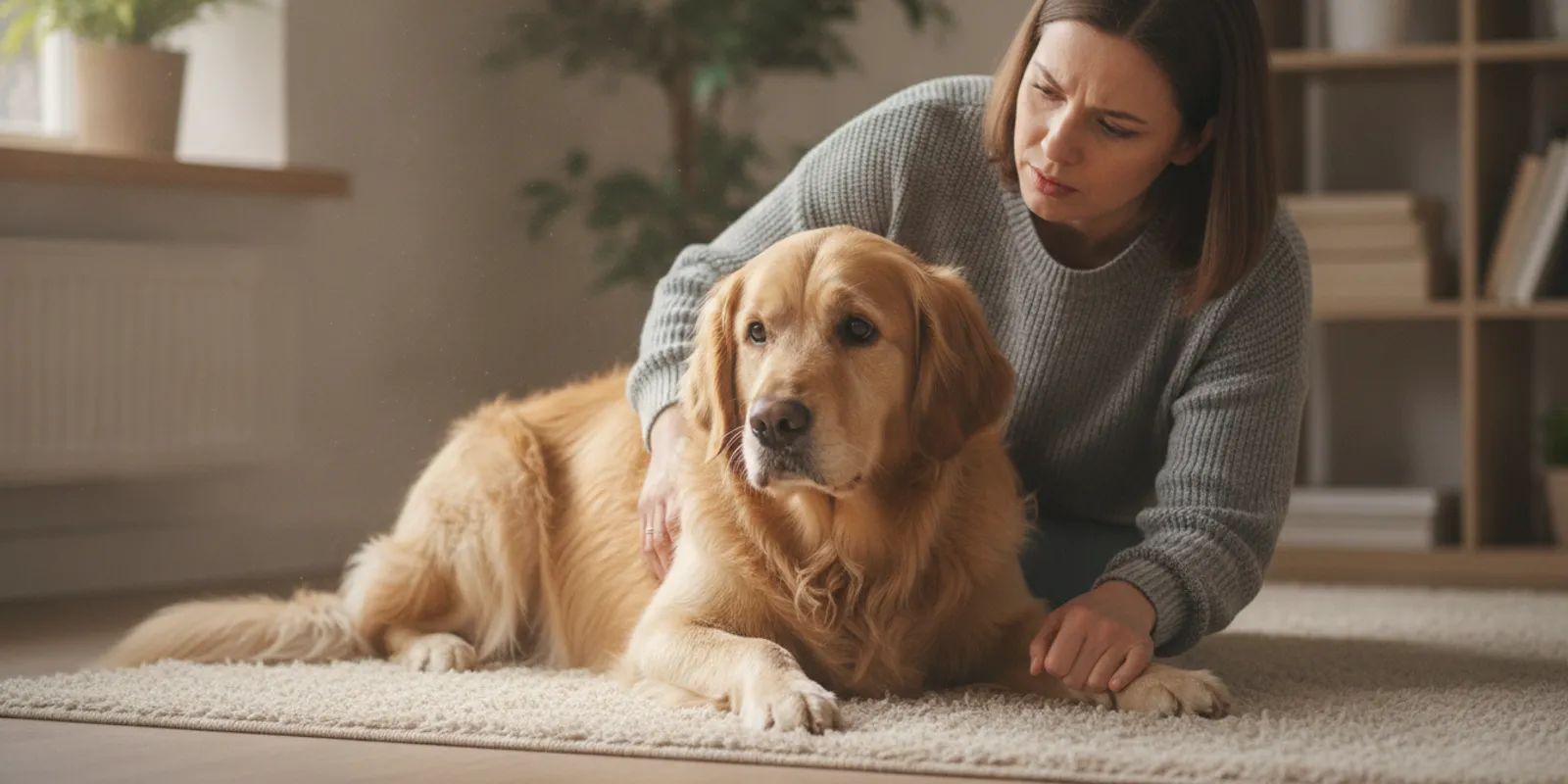
Antifreeze poisoning in dogs signs can be easy to mistake for other sudden illnesses, but a possible exposure should be treated as urgent. If your dog may have licked or swallowed antifreeze, contact a veterinarian right away rather than waiting for symptoms to appear or trying home treatment.
Book Appointment or call Animal Hospital of Rolling Meadows at 847-873-8996.
Antifreeze products can contain ethylene glycol, a toxic substance. Dogs may encounter it from a leak or spill, a container left open, or contaminated ground. The amount and product matter, and an owner cannot determine safety by looking at a dog or judging the size of a spill. This guide explains signs to watch for and how to respond while arranging veterinary advice. It cannot determine whether an individual dog has been poisoned.
What are the signs of antifreeze poisoning in dogs?
Early signs can include vomiting or nausea, unusual tiredness or weakness, reduced appetite, trouble walking, or difficulty breathing. A dog may seem unsteady, unusually quiet, confused, or as if intoxicated. These signs are not unique to antifreeze exposure. Other serious conditions can look similar, so symptoms alone cannot confirm the cause.
Signs can change as time passes. A dog that seems less unsteady or appears to settle down is not necessarily out of danger. Antifreeze poisoning can affect the kidneys and other body systems, and waiting for obvious changes can delay assessment. The Scottish SPCA describes early signs including vomiting, lethargy or weakness, loss of appetite, difficulty walking, and difficulty breathing; see its antifreeze advice for dogs.
Watch for any sudden change after a possible exposure, including:
- Vomiting, nausea, or unusual drooling.
- Weakness, marked tiredness, or difficulty standing.
- Wobbling, poor coordination, or unusual behavior.
- Reduced interest in food or water.
- Changes in urination or other signs that your dog is becoming more unwell.
- Labored, rapid, or otherwise difficult breathing.
Do not wait for a dog to develop every sign on this list. A dog may show only a few changes, and early signs can be subtle. If you are unsure whether a product could contain antifreeze, share its label or container details with the veterinary team.
How urgent is a possible exposure?
Contact a veterinarian immediately if you saw your dog drink antifreeze, found a spill your dog could have reached, or suspect your dog licked contaminated fur or paws. Do this even if your dog seems normal. Prompt professional guidance matters because the risk depends on the product, exposure, and timing, and visible signs are not a dependable way to rule out poisoning.
| What you notice | How to respond |
|---|---|
| Known or suspected contact with antifreeze, with no signs yet | Call a veterinarian now. Do not wait for symptoms. |
| Vomiting, weakness, wobbling, unusual behavior, or poor appetite after possible access | Seek urgent veterinary guidance and explain the possible exposure. |
| Difficulty breathing, collapse, inability to stand, or rapidly worsening condition | Treat this as an emergency and get immediate veterinary help. |
| You are unsure what spilled or whether your dog reached it | Keep the dog away from the area, identify the product if safe, and call a veterinarian for direction. |
This table is a practical guide, not a diagnostic tool. A veterinarian can advise you based on the details you provide and your dog’s condition. If your dog is having trouble breathing or is collapsing, do not spend time researching symptoms online. The timing can be hard to pin down: you may notice a leak after your dog has already been outside, or find an open container without knowing whether the dog reached it. Do not wait until you can establish exactly what happened. Tell the veterinary team the range of time when contact might have occurred and what evidence you found. If you saw your dog near a spill but did not see it drink, say that clearly; suspected access is still worth discussing promptly. Also avoid using smell, color, or the apparent size of a puddle to decide that it is safe. Products and circumstances vary, and an owner usually cannot estimate the amount a pet may have contacted. A short call is more useful than trying to make a diagnosis at home.
What should you do if your dog may have licked or swallowed antifreeze?
- Move your dog away from the spill. Prevent further access without putting yourself in contact with the product. Keep other pets and children out of the area.
- Call a veterinarian promptly. Tell the team that antifreeze exposure is possible, even if you have not seen your dog swallow anything and there are no symptoms. Follow the veterinary team’s instructions about where to go and how to transport your dog.
- Gather the product information. If it is safe, bring the container or take a clear photo of the label. Note the product name and ingredients. Do not delay the call or transport while searching for packaging.
- Do not try home remedies. Do not induce vomiting, give food, milk, medication, or another substance unless a veterinarian specifically directs you to do so. A home intervention may be unsafe or waste time.
- Keep your dog as calm and secure as possible. If the dog is weak or unsteady, help prevent falls and avoid forcing it to walk. Ask the veterinary team how to move the dog safely.
- Share what you know when you call. Be clear about when you first noticed the spill or symptoms, what you think your dog contacted, and any changes you have observed.
If antifreeze is on your dog’s coat or paws, do not let the dog lick the area. Avoid handling contaminated material with bare hands. Ask the veterinary team how to manage the exposure safely; do not postpone veterinary contact while attempting a complicated cleanup. If you know the liquid touched your dog’s skin or fur, say where and how much you can see, and whether your dog has been licking that spot. Avoid using cleaners, solvents, or other products on your pet unless the veterinarian directs you to. If the spill is on the floor, keep people and animals away and use the product label’s safety directions rather than guessing how to handle it. Your own safety matters too: do not touch an unknown liquid with bare hands or put yourself in a position where you might breathe fumes. When unsure, step away and ask the veterinary team for advice.
What information should you tell the veterinary team?
Useful details help the team assess the situation and make next-step recommendations. You do not need to know every answer before you call. Share what you know, and say when a detail is uncertain.
- The product name and ingredients, if available.
- Whether you saw your dog drink or lick anything, or only found a spill nearby.
- The location of the product and how your dog might have reached it.
- When exposure may have happened, including the earliest and latest possible time.
- Your dog’s approximate weight, age, and any health conditions or medicines you know about.
- Any changes you noticed and when they began, such as vomiting, weakness, wobbling, or breathing difficulty.
If more than one product or container is nearby, describe each one rather than assuming which liquid your dog contacted. Mention whether the area was indoors or outdoors, whether the spill was fresh or had been there for some time, and whether the dog could have accessed it more than once. Do not estimate a swallowed amount unless you actually know it; it is fine to say you cannot tell. Clear uncertainty is more useful than a clear, cautious report. Tell the veterinary team what you saw and what you could not verify.
Be direct if you are unsure whether the material was antifreeze. A photo of the container, spill, or label may help, but never put yourself at risk to take one. If your dog is already being transported, have another person call when possible so that safe travel remains the priority. If you are driving alone, do not use your phone while driving; pull over safely before calling or ask someone else to contact the hospital. Keep the dog secured during the trip and bring the product label only if it is readily available and safe to handle. You do not need to arrive with a complete history—the veterinary team can ask follow-up questions. Your first goal is to share that antifreeze may be involved and get directions for the next step.
What might happen during a veterinary assessment?
The veterinarian will ask about the possible exposure and assess your dog’s current condition. Depending on the history and examination, the veterinary team may recommend diagnostic tests to evaluate your pet and look for effects on body systems such as the kidneys. The appropriate plan depends on the individual dog, the suspected product, and when exposure may have occurred. The team may need to consider both what you observed and what cannot be confirmed at home. Share whether your dog has eaten or drunk anything since the possible contact, and mention any changes since you first called. If you have more than one pet, clarify which animal may have had access. These details do not replace an examination, but they help the veterinarian understand the situation and explain the next steps. Ask who to contact if your dog’s condition changes while you are following the team’s directions.
There is no reliable home test that can rule out antifreeze poisoning. A dog looking well at one moment does not replace veterinary assessment after a credible exposure. If the team recommends further evaluation or monitoring, ask what each step is intended to check, what changes to watch for, and when you should contact the hospital again.
Rolling Meadows Animal Hospital provides veterinary care for dogs and cats, including medical care and urgent care in Rolling Meadows. Animal Hospital of Rolling Meadows is located at 3995 W Algonquin Road, Rolling Meadows, Illinois. Learn more about the practice on its About Us page. For a suspected exposure, call the hospital to discuss the immediate next step. For nonurgent follow-up after the urgent concern has been addressed, see the hospital’s Book Appointment page; an online appointment request should not substitute for an urgent phone call.
What should you avoid doing at home?
When a pet may have contacted a toxin, it is natural to want to act quickly. The safest first action is to contact a veterinary professional, not to experiment with a treatment. Avoid these common mistakes:
- Waiting to see whether symptoms develop. Contact the veterinary team even if your dog appears normal.
- Assuming a small spill cannot matter. Owners often cannot estimate how much a dog may have licked or swallowed.
- Inducing vomiting without veterinary direction. This is not appropriate in every situation and should not be attempted on your own.
- Giving human medicine or household substances. These may add risk and can complicate care.
- Relying on an internet symptom list to confirm or dismiss poisoning. Signs overlap with other illnesses, and their absence does not settle what happened.
- Cleaning the spill while the dog remains nearby. First keep pets away and avoid unsafe contact with the product.
If your dog has another medical condition or takes medication, mention it when you call. Do not give or stop a prescribed medicine on your own unless a veterinarian advises you to.
How can you reduce the chance of future exposure?
Store antifreeze and other automotive fluids in their original, closed containers, out of reach of pets. Clean spills promptly according to the product label, and keep dogs away from the area until it is safe. Do not leave open containers or contaminated materials where a curious pet can investigate them. When walking near garages, driveways, or parking areas, keep your dog from licking puddles or unfamiliar liquids.
If you suspect a spill at home, secure the area before allowing pets back into it. Follow the product’s handling and cleanup directions. These precautions can reduce opportunities for contact, but they do not replace a veterinary call if exposure may already have occurred.
When should you call Animal Hospital of Rolling Meadows?
Call promptly if you think your dog may have been exposed, even if you are uncertain about the product or your dog has no visible signs. Call immediately if you notice vomiting, weakness, stumbling, unusual behavior, difficulty breathing, collapse, or a rapid decline after possible contact. Explain that antifreeze may be involved so the team understands why you are calling.
Contact Animal Hospital of Rolling Meadows or call 847-873-8996 for guidance.
Frequently Asked Questions
Can a dog have antifreeze poisoning without symptoms?
Yes. A dog may not show obvious signs immediately, and the absence of symptoms cannot rule out exposure. If your dog may have reached antifreeze, contact a veterinarian rather than waiting to see what happens.
What are early signs of antifreeze poisoning in dogs?
Possible early signs include vomiting or nausea, lethargy or weakness, reduced appetite, difficulty walking, and difficulty breathing. These signs can have other causes, so they cannot confirm poisoning. A possible exposure warrants prompt veterinary advice.
Should I make my dog vomit after possible antifreeze exposure?
No—not unless a veterinarian specifically tells you to. Do not give a home remedy or medication. Call a veterinary professional promptly and follow their instructions.
What if I do not know whether the liquid was antifreeze?
Keep your dog away from it and call a veterinarian. If safe, take a photo of the container or label, but do not delay the call while trying to identify the product. Tell the team what you saw and what remains uncertain.
Can I wait until morning if my dog seems fine?
Do not wait for symptoms or for a more convenient time after a suspected exposure. Contact a veterinarian now for guidance on the appropriate next step. A phone conversation can help the veterinary team understand the circumstances and urgency.
When antifreeze exposure is possible, quick communication with a veterinarian is the safest next step. Keep the product information available if you can, and seek professional guidance even if your dog seems well.